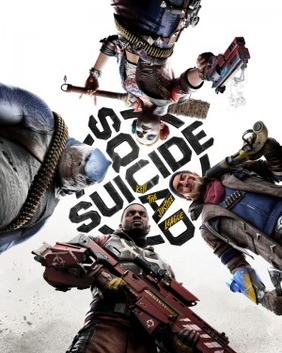
Suicide Squad: Kill the Justice League failed commercially and critically because it was a poorly executed live-service game that missed its creative target, suffered from development chaos, and alienated fans who wanted another Arkham-style Batman game. The game underperformed so badly that Warner Brothers wrote off $200 million, with the studio's games revenue declining significantly compared to Hogwarts Legacy from the previous year. It launched to critical pan and extremely low player numbers (averaging under 500 concurrent players on Steam).
The game's final update was released in early January 2025, and it effectively ended its live-service life unceremoniously. Suicide Squad suffered from an incredibly messy and poorly managed development cycle at Rocksteady Games. The game's direction shifted multiple times during development: it started as melee-focused, then moved toward guns and live-service mechanics, leading to scrapped script chunks and wasted work. Co-founder/director Sefton Hill reportedly waited weeks or months to review work, struggled to communicate evolving ideas, and had limited experience with live-service competitors like Bungie’s Destiny franchise. This slowed development and hurt morale. Rocksteady was experienced with single-player games (Batman: Arkham series), but struggled to create a compelling multiplayer live-service game that wasn't tedious or repetitive.
Employees described a culture that didn't want to hear criticism, preventing the team from addressing problems early. The game was "too safe" in design, failing to explore interesting ways to exploit heroes' weaknesses. The core roster and DLC characters felt undifferentiated, and missions/boss fights became repetitive. Co-founders Sefton Hill and Jamie Walker left the studio before the game's completion, shaking worker morale and stability.
Suicide Squad failed because Rocksteady tried to pivot from single-player masterpieces to live-service without the experience, under leadership that changed direction constantly and dismissed criticism, resulting in a safe but creatively bankrupt game that disappointed fans and cost Warner Bros. $200 million. (Image source: WB Games)